

Exploring the cultural significance of gambling across different societies
Historical Context of Gambling
Gambling has been a part of human civilization for thousands of years, with its roots tracing back to ancient societies. Archaeological evidence suggests that gambling activities, such as betting on dice and using rudimentary forms of cards, date back to around 3000 BC in ancient China. The practice was not merely seen as a source of entertainment; it also played a significant role in rituals and social gatherings, reflecting the values and beliefs of those cultures. In this context, SpinBet Casino NZ Review sheds light on how modern gambling platforms offer insights into these historical aspects.
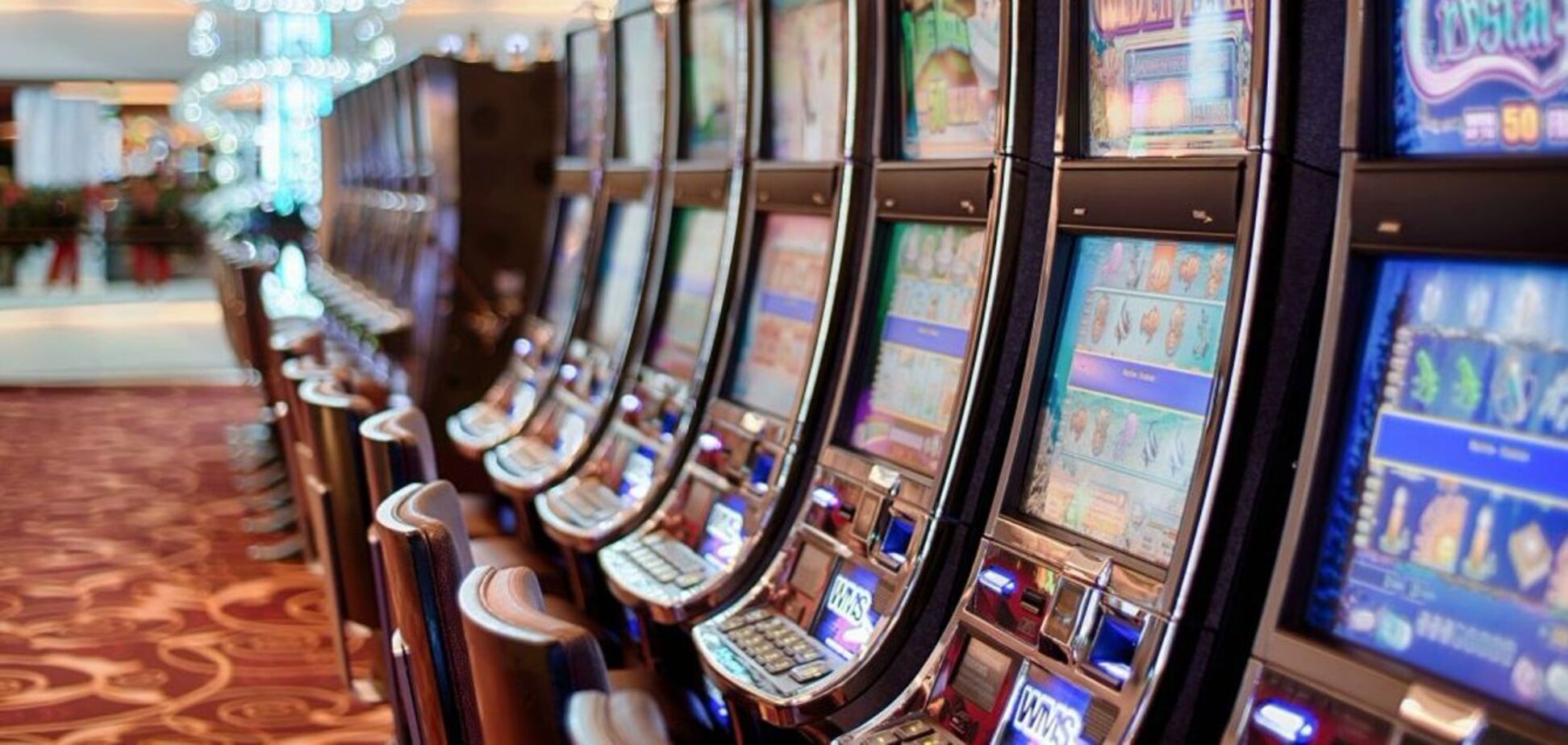
In ancient Rome, gambling was woven into the fabric of society, with games of chance being common among all social classes. The Romans created various games involving dice, and these became not only a pastime but a reflection of one’s status and luck. This early form of gambling showcased how games could bridge social divides, allowing individuals from different backgrounds to engage in a shared experience, though often leading to moral debates about its implications.
The evolution of gambling practices continued through the Middle Ages, where it was often associated with the nobility. However, as societies changed, gambling began to spread beyond elite circles. The introduction of lotteries as a means of raising public funds marked a significant turning point, illustrating how gambling could serve a broader social purpose while still igniting conversations about its ethical implications.
Gambling in Cultural Traditions
Across different cultures, gambling holds unique meanings and is often embedded in traditional practices. For instance, in many Indigenous cultures, gambling is used as a means of community bonding and storytelling. Traditional games may carry spiritual significance, illustrating the interconnectedness of life experiences and ancestral wisdom. This cultural context often elevates gambling from mere recreation to a ritualistic practice that reinforces community ties.
In contrast, Asian cultures often view gambling through the lens of luck and fortune, deeply ingrained in their beliefs and customs. Festivals in countries like China feature games and activities centered around gambling, reflecting the hope for prosperity in the coming year. The presence of high-stakes games during celebrations signifies not only a quest for wealth but also an avenue for social cohesion, as families and communities gather around tables to partake in shared hopes and dreams.
In Western societies, particularly in the context of Las Vegas and Atlantic City, gambling has evolved into an entertainment spectacle. The glamour associated with casinos reflects a cultural shift where gambling is commodified. It embodies a fantasy of wealth and success, yet it simultaneously raises issues surrounding addiction and social responsibility. The dual nature of gambling in contemporary culture serves as a mirror reflecting societal values and the ongoing tension between entertainment and ethical considerations.
Regulatory Perspectives on Gambling
The regulation of gambling varies widely across societies, influenced by cultural attitudes and historical contexts. In some countries, gambling is heavily restricted or outright banned, driven by concerns about its societal impacts. For example, in many Muslim-majority countries, gambling is prohibited based on religious tenets, emphasizing the cultural belief in moral living and ethical conduct over the pursuit of material gain.
Conversely, nations like the United States have a more fragmented approach, with different states enacting varying laws surrounding gambling. The rise of online casinos and sports betting has further complicated this regulatory landscape. Supporters argue for regulation as a means to ensure fairness and protect consumers, while critics warn of the potential social costs, including addiction and economic disparity.
This regulatory dichotomy underscores the cultural significance of gambling, as laws often reflect societal values and norms. The debate about gambling regulation highlights the need for a balanced approach that considers both the economic benefits and the ethical implications, as societies navigate the complex relationship between gambling and community well-being.
Modern Gambling and Technology
The advent of technology has transformed gambling, making it more accessible and widespread than ever before. Online gambling platforms allow individuals to play their favorite games from the comfort of their homes, breaking down geographical barriers. This shift has altered the cultural perception of gambling, as it is now a global phenomenon available to anyone with an internet connection.
Moreover, technological advancements have fostered the creation of innovative gaming experiences, such as live dealer games and immersive virtual reality environments. These developments not only enhance user experience but also change the way people engage with gambling as a form of entertainment. As such, modern gambling reflects a blend of tradition and innovation, illustrating how cultural practices can adapt to the changing technological landscape.
However, this evolution raises important questions about responsible gambling practices. With increased accessibility comes the risk of addiction and other social issues. As societies adapt to these changes, there is a growing emphasis on the need for awareness and education regarding responsible gambling, highlighting the importance of balancing entertainment with individual well-being and social responsibility.

SpinBet Casino: A Modern Perspective on Gambling
As an example of how modern gambling is evolving, SpinBet Casino provides an engaging platform tailored specifically for players in New Zealand. With a diverse array of games and live dealer options, the site embodies the blend of traditional casino experiences with modern convenience. Players can enjoy various gaming experiences while also having access to comprehensive resources focused on responsible gambling practices.
The platform illustrates the cultural shift towards a more interactive and engaging form of gambling. With enticing bonuses, including welcome packages and free spins, SpinBet Casino promotes a community-focused atmosphere that encourages player interaction while maintaining a commitment to responsible play. This balance emphasizes the site’s recognition of the cultural significance of gambling as both a source of entertainment and a community-building activity.
In this way, SpinBet Casino is more than just an online gaming platform; it serves as a reflection of the contemporary gambling landscape where tradition meets technology. By prioritizing player well-being alongside entertainment, it highlights the ongoing evolution of gambling as a culturally significant practice that resonates with diverse audiences worldwide.